
Applying Calculus in Intelligence Calculations
(The Question of a Coup)
Coups in Africa
Let's examine some well-documented coups in Africa where post-event investigations, memoirs, and expert analyses exactly show the slow-burn patterns of coups:
Elite whispers
Performative loyalty
Silence from insiders, and
Danger being misjudged rather than unseen.
Here are specific, widely studied cases, with the pattern made explicit:
Not arranged in any particular order:
















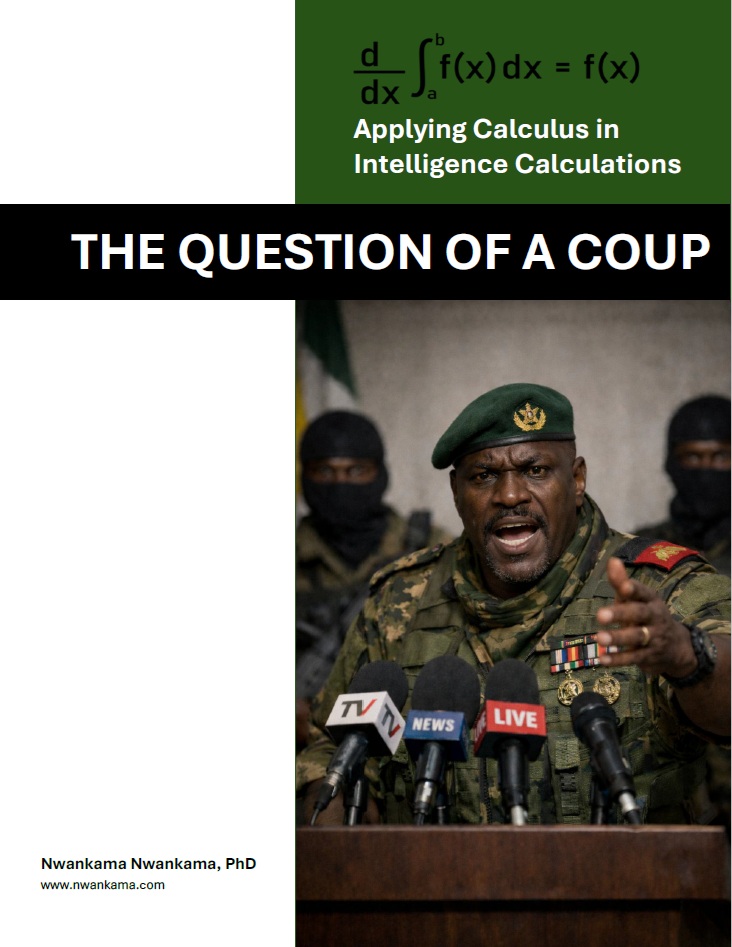
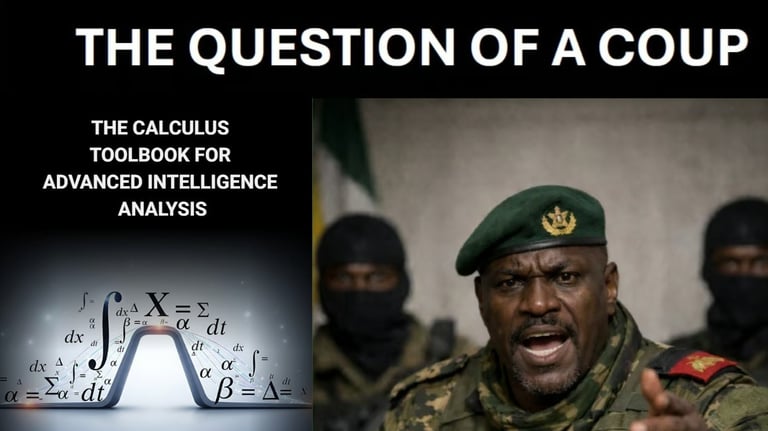
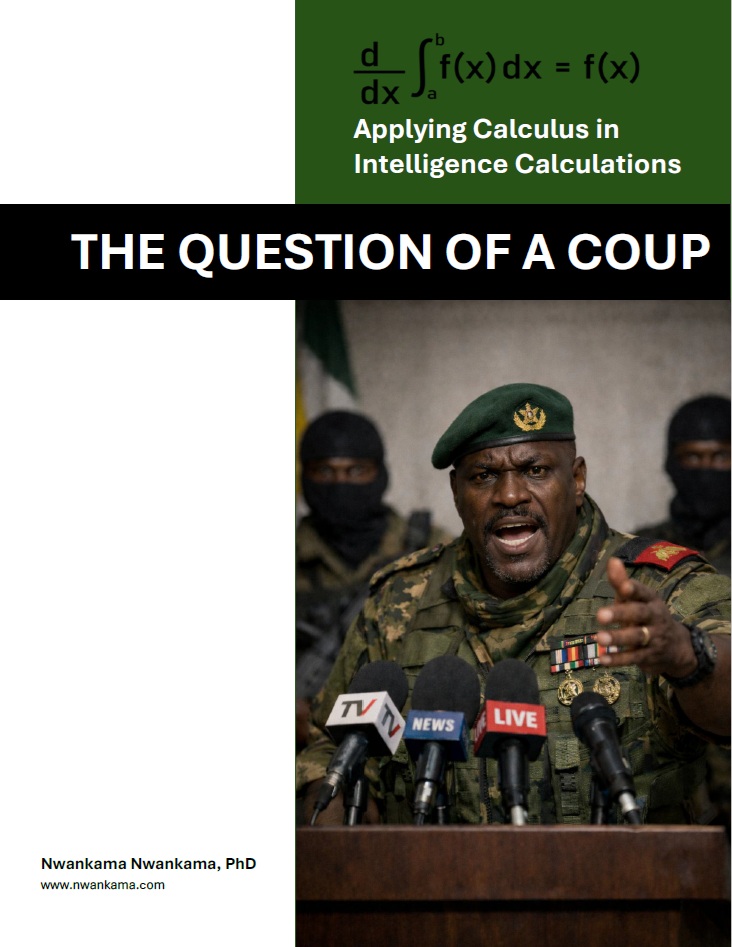
AI-generated image. The image of the military officer is for illustrative purposes only and does not represent any real person or country.



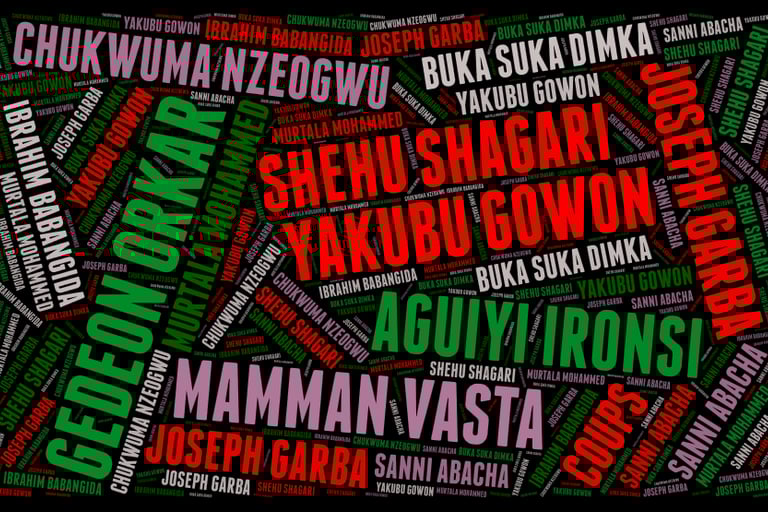
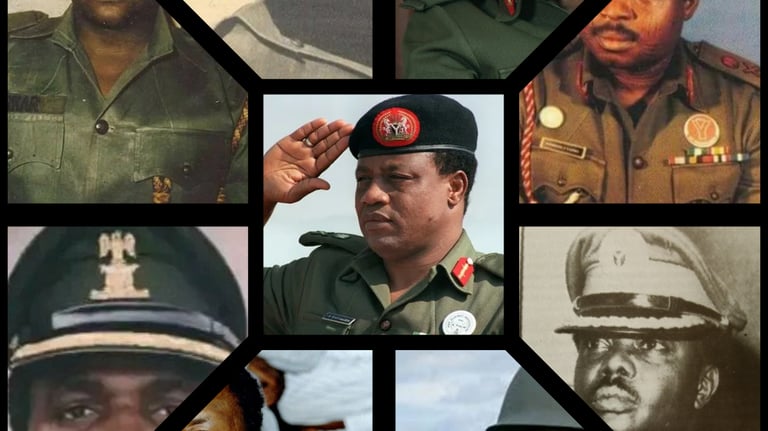
NIGERIA COUPS
Can advanced mathematics help prevent coups and strengthen national stability?
YES!
The key principle is Calculus!
Calculus helps analysts track how instability develops and where it may lead
In other words, calculus-enhanced intelligence can predict the national future — and help protect it
Start exploring this advanced coup intelligence framework:
The Core Insight
Here's the core insight:
Most coups succeed not because the overthrown leaders knew nothing,
but because they misunderstood movements.
They read levels:
“Is loyalty high?”
“Is the army calm?”
“Is the state functioning?”
When they needed to read curves:
“Is loyalty shrinking faster than before?”
“Is calm masking coordination?”
“Is the system approaching a tipping point?”
This is why people trained to think in dynamics—engineers, analysts, systems thinkers, mathematicians—often spot danger earlier than politicians.
They are not smarter about politics.
They are simply trained to ask a different kind of question:
“What happens next if this trend continues?”
And that, more than ideology or intent, is what decides whether a coup fails—or succeeds.
AI-generated image. The image of the military officer is for illustrative purposes only and does not represent any real person or country.
Common Patterns in the Coups
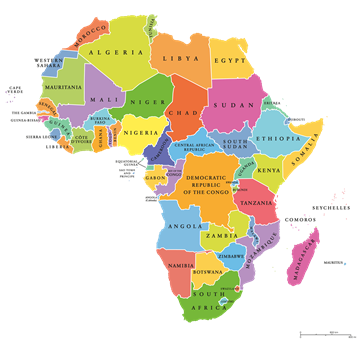
Other Countries
Across these cases, experts consistently identify the same sequence:
Elite discontent becomes private, not public
Rituals of loyalty continue, but substance disappears
Advisers hedge, delay, or fall silent
Leaders mistake formality for fidelity
The coup appears sudden—only in retrospect
One day, an administration stands;
The next, it is gone!
This is why many coup experts argue that coups are not shocks but revelations: the moment when invisible shifts finally become undeniable.
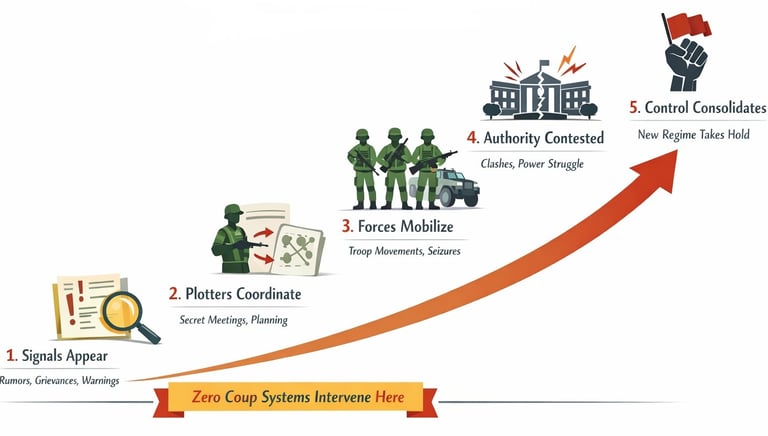
The Coups Trajectory
The Coup Pathway
Signals appear
Plotters coordinate
Forces mobilize (red zone A)
Authority is contested (red zone B)
Control consolidates (red zone C)
Zero Coup systems intervene at stages 1 or 2—never waiting for stage 3 (the red zones).
About the tool book
This free introductory manual starts where conventional intelligence analysis grows uncomfortable—and grinds to a screeching halt—and that is, sophisticated mathematics. No one likes maths, but it's maths that saves the day, every day. This manual takes a turn most intelligence analysts never expect: Calculus. This is not just equations; it's not academic maths, but a discipline designed to reason under uncertainty, thresholds, and hidden coordination.
Yes, many intelligence failures are driven less by missing information and more by a false sense of certainty.
Calculus accounts for what you do not know! In this case, calculus may be the missing tool leaders never realized they needed.
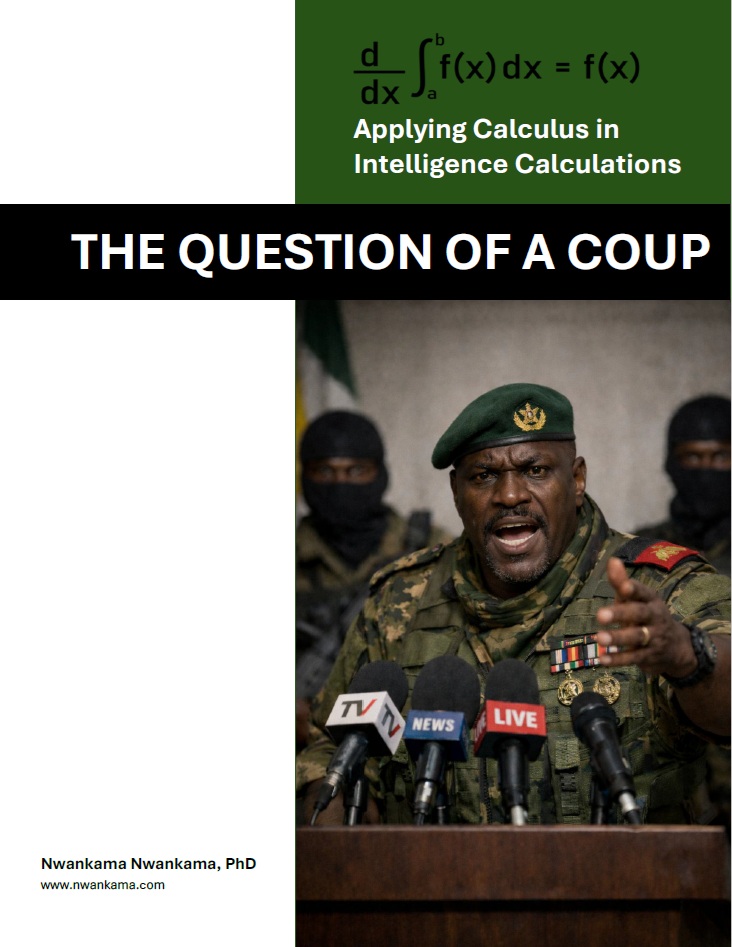
AI-generated image. The image of the military officer is for illustrative purposes only and does not represent any real person or country.
What intelligence analysts will get from this manual:
A disciplined way to treat coup risk as a continuously evolving process rather than a binary outcome.
A method for preventing repeated signals from masquerading as independent confirmation.
Practical tools for integrating noisy, incomplete, and deceptive intelligence without forcing premature conclusions.
A calculus-based framework for handling hidden coordination, thresholds, and nonlinear escalation.
Protection against false certainty created by consensus, narrative dominance, or analytic momentum.
Clear guidance on when confidence is warranted, conditional, or unjustified.
An approach that strengthens judgment without replacing experience or tradecraft.
Techniques for briefing senior leaders that explain not just what you assess, but why that level of confidence exists.
Earlier warning without alarmism, even when visible indicators remain weak.
A way to stay analytically ahead of surprise rather than explaining it afterward.
Explore our other recent projects:
The Question of a Coup: Applying Calculus in Intelligence Calculations: A practical intelligence manual showing how calculus-based reasoning can prevent false certainty, expose hidden coordination, and reduce strategic surprise in coup analysis.
National socio-digital early warning and strategic foresight architecture: a computational intelligence ecosystem to anticipate mass sentiment shifts before coordinated unrest and destabilization emerge.
Understanding the Lockwood Analytical Method for Prediction (LAMP): my firsthand experience applying one of the intelligence community’s most rigorous forecasting methodologies.
Self-disruption research: Applied Whitney Johnson's four principles of self-disruption in addressing unconscious bias among intelligence analysts.
Intelligence training manual: Self-disruption as analytic tradecraft
Self-disruption as analytic tradecraft: Classified-style analytic vignettes and tradecraft alignment
Not Intelligence-Related:
Get in touch
Nwankama Nwankama
Email is best (or, you can fill out the Contact form)
nwankama@nwankama.com


Home | About Me | Projects | Blog | Social Media | Contact Us